Celebrating Black History Month
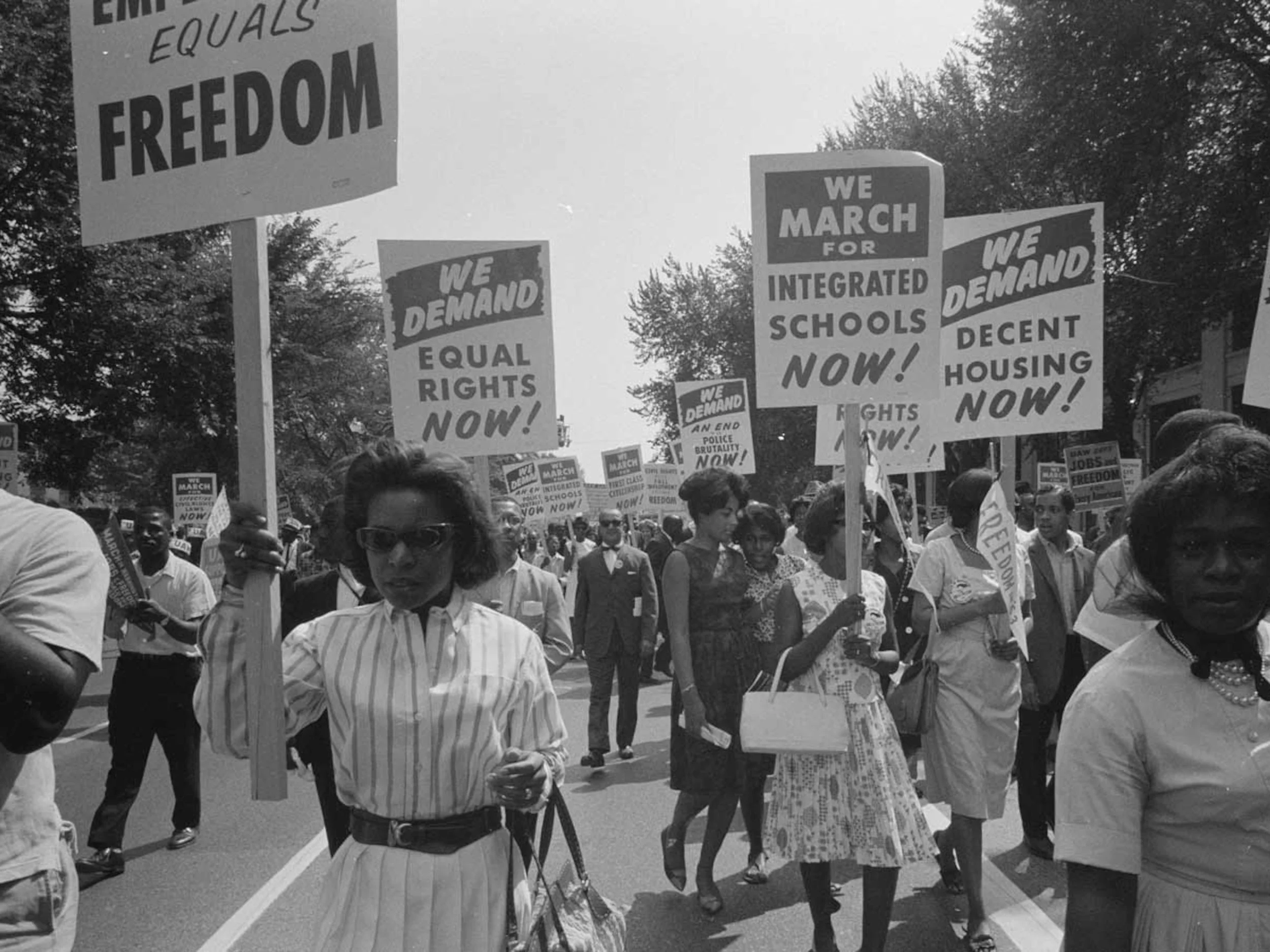
February is Black History Month.
The climate crisis disproportionately impacts Black communities. In the United States, there is a long history of hazardous waste sites and polluting industries being concentrated in Black neighborhoods. It’s a pattern of environmental racism that continues today.
Environmental hazards like air pollution, toxic waste sites, and inadequate access to clean water contribute to serious health disparities and reduced life expectancy.
Black communities have long been at the forefront of the fight for environmental and climate justice. Warren County, North Carolina is widely recognized as the birthplace of the environmental justice movement. In 1982, residents and civil rights leaders organized against the dumping of toxic PCB-contaminated soil in their community — naming it what it was: environmental racism.
That movement laid the foundation for today’s climate justice work — work that Maine Youth for Climate Justice is proud to be part of.
There is no climate justice without racial justice.